
Bayside Locality
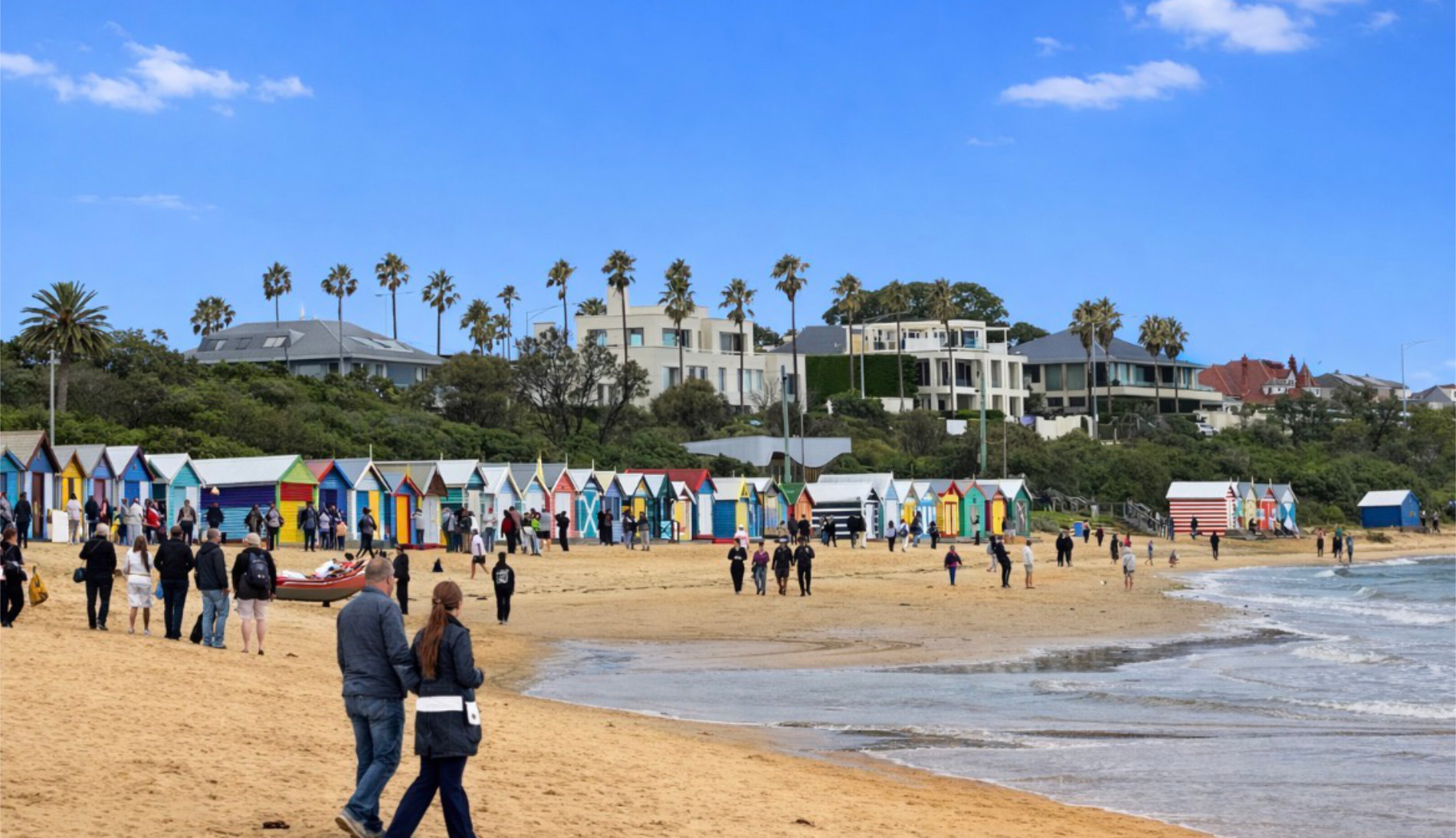
Framed by the waters of Port Phillip Bay, Sandringham is a premier coastal destination just 16 kilometres south‑east of central Melbourne. With long sandy beaches, expansive foreshore reserves and uninterrupted bay views, the suburb offers a distinctive seaside experience within easy reach of one of Australia’s most liveable cities.
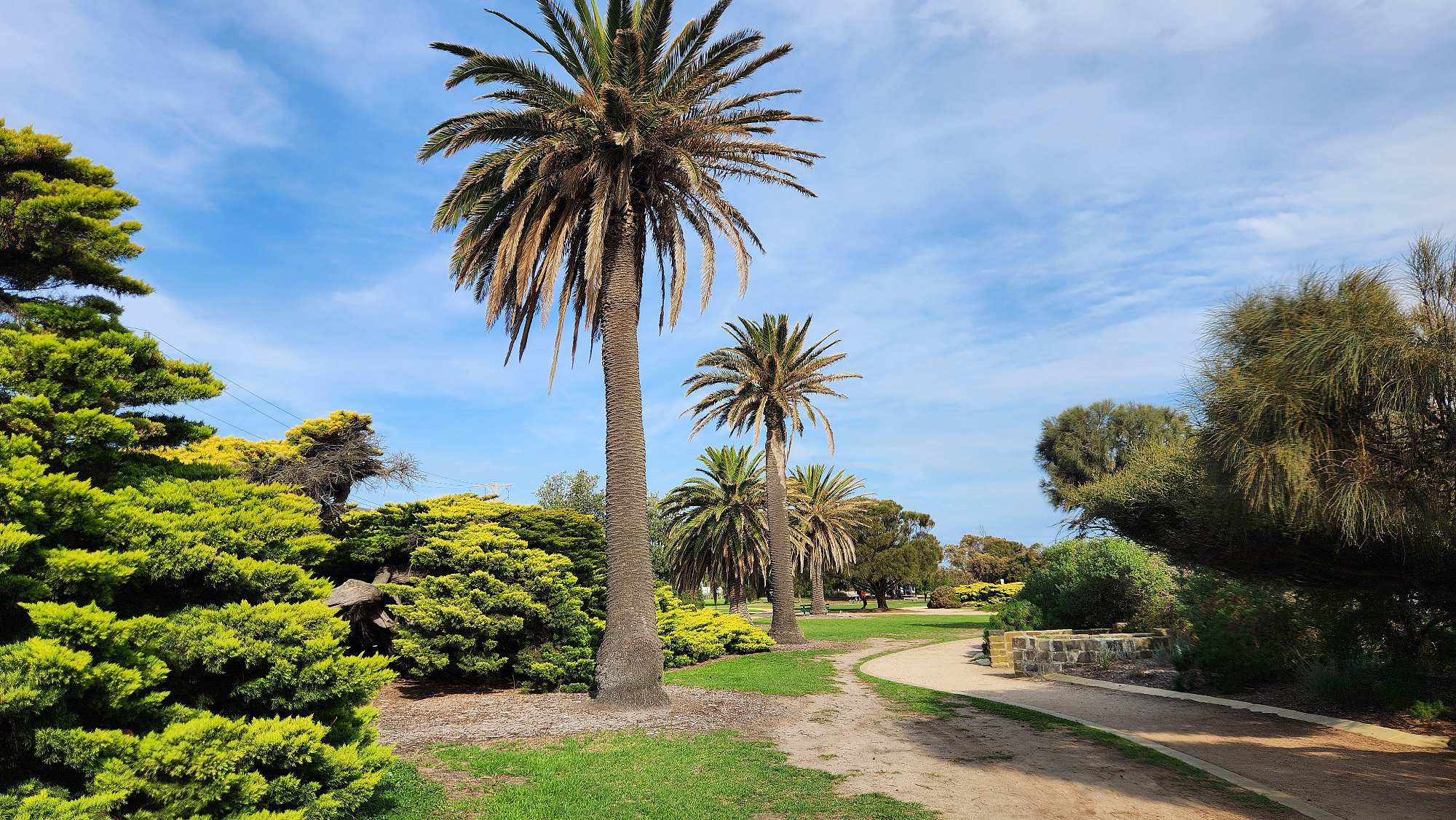
Sandringham is part of the City of Bayside, a municipality defined by its strong coastal identity and commitment to high‑quality public spaces. The Bayside coastline stretches for kilometres, connecting beaches, parks and shared trails that support swimming, sailing, cycling and relaxed waterfront walks. This natural setting is complemented by a well‑established residential character and a welcoming, village‑style atmosphere.
The area is also recognised as a leading sporting and leisure destination. Several of Australia’s most respected golf courses, including Royal Melbourne, Victoria Golf Club and Sandringham Golf Links, are located nearby, reinforcing Bayside’s reputation for hosting elite sport and major events.
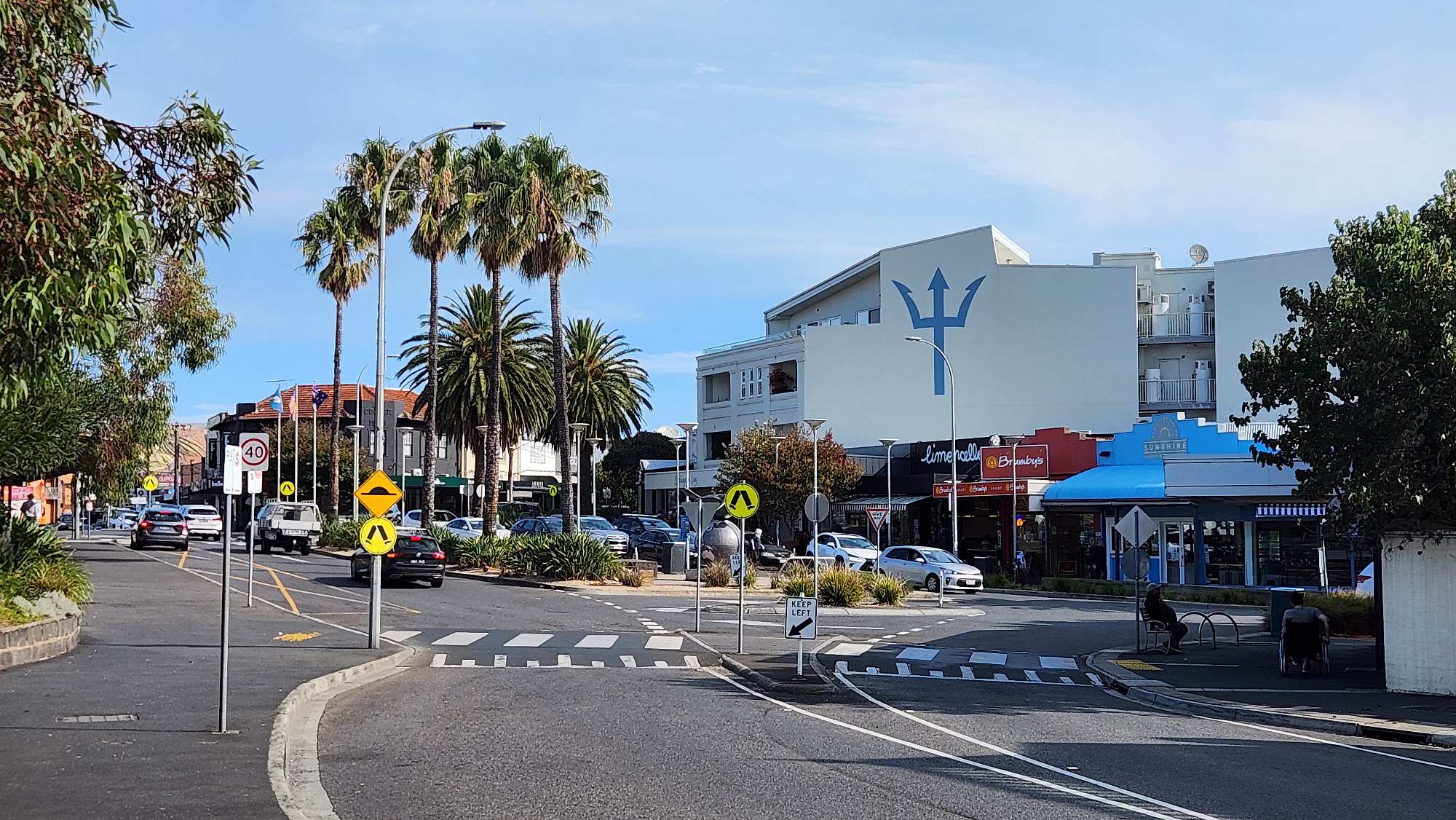
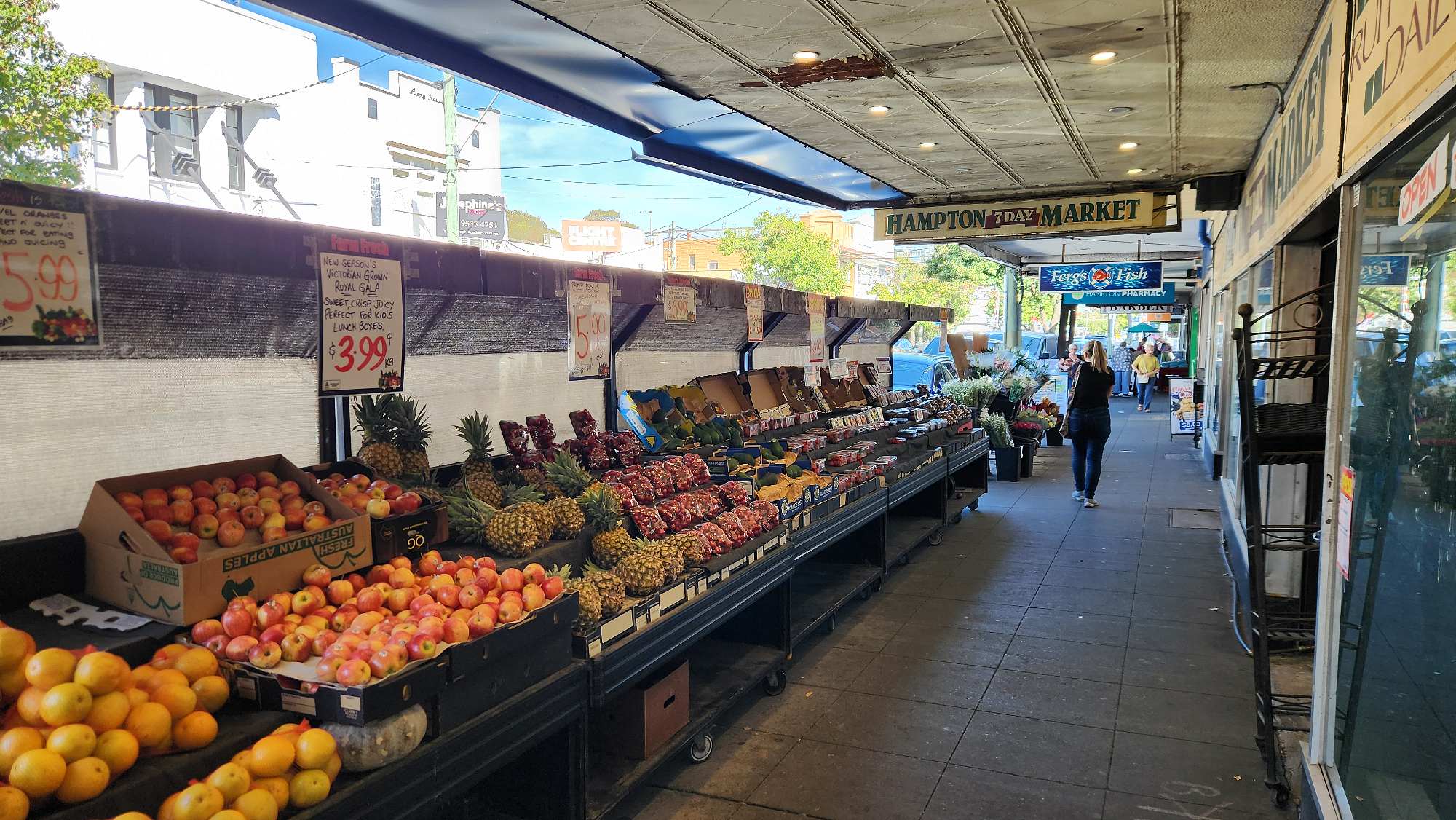
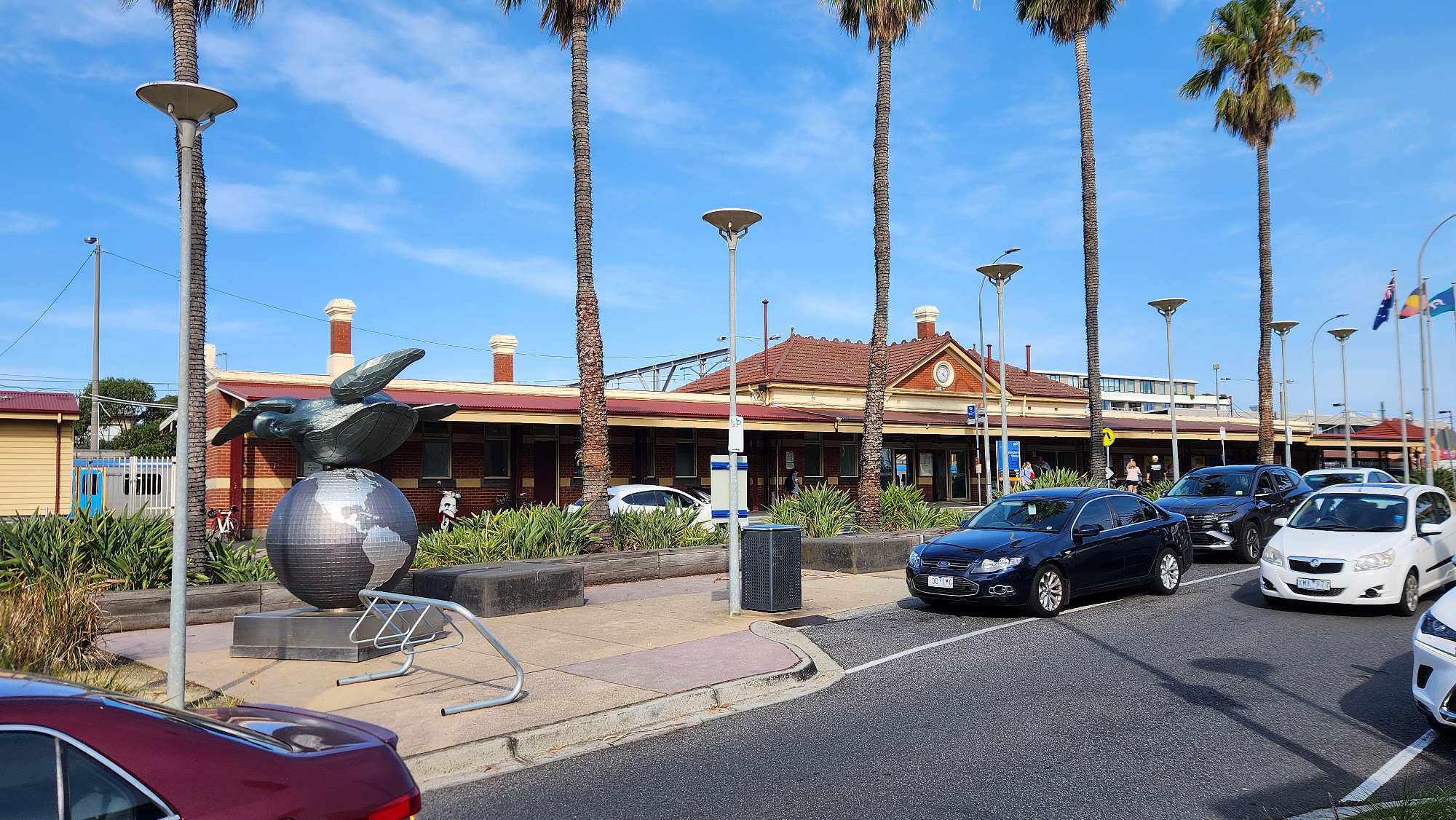
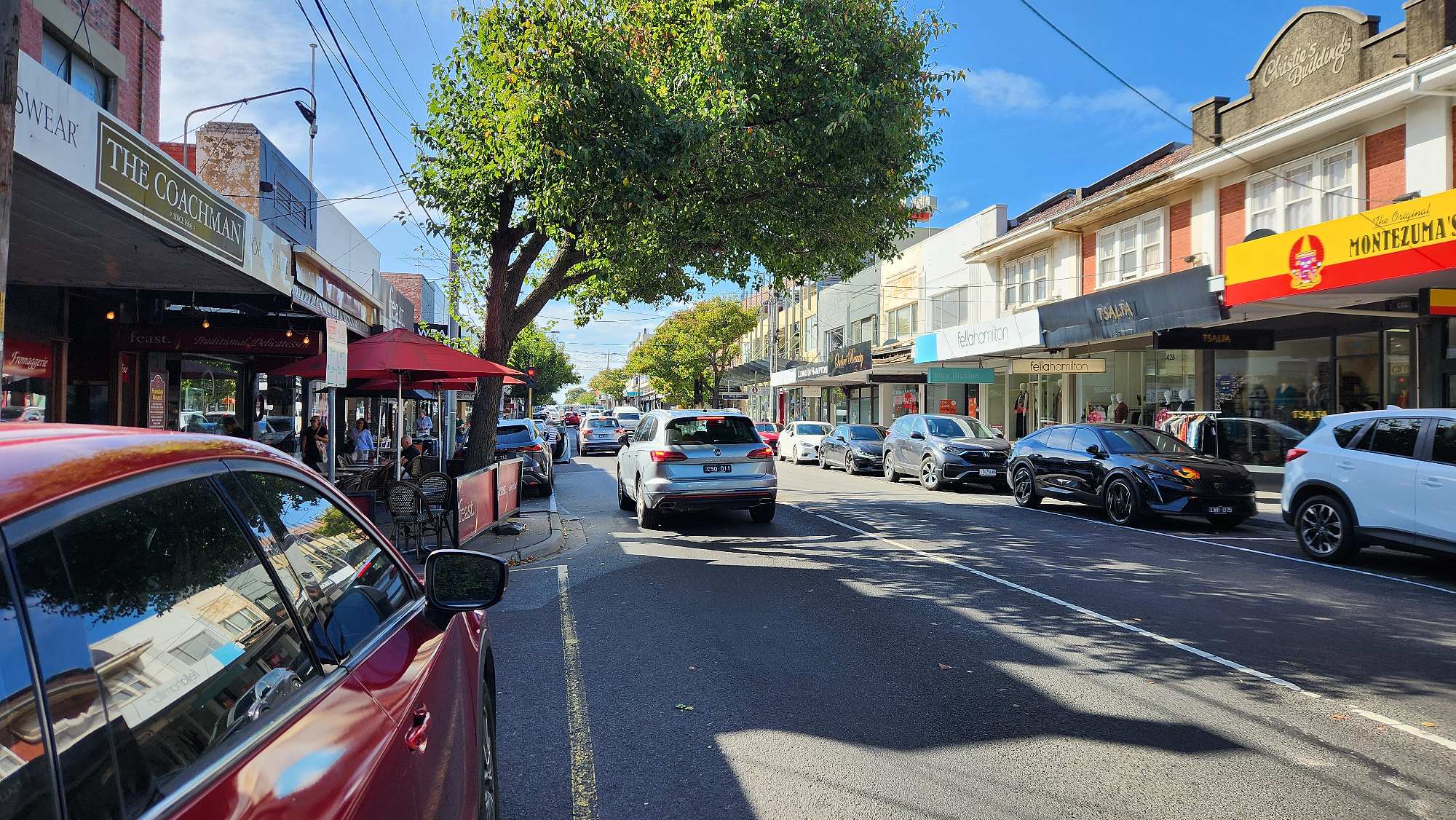
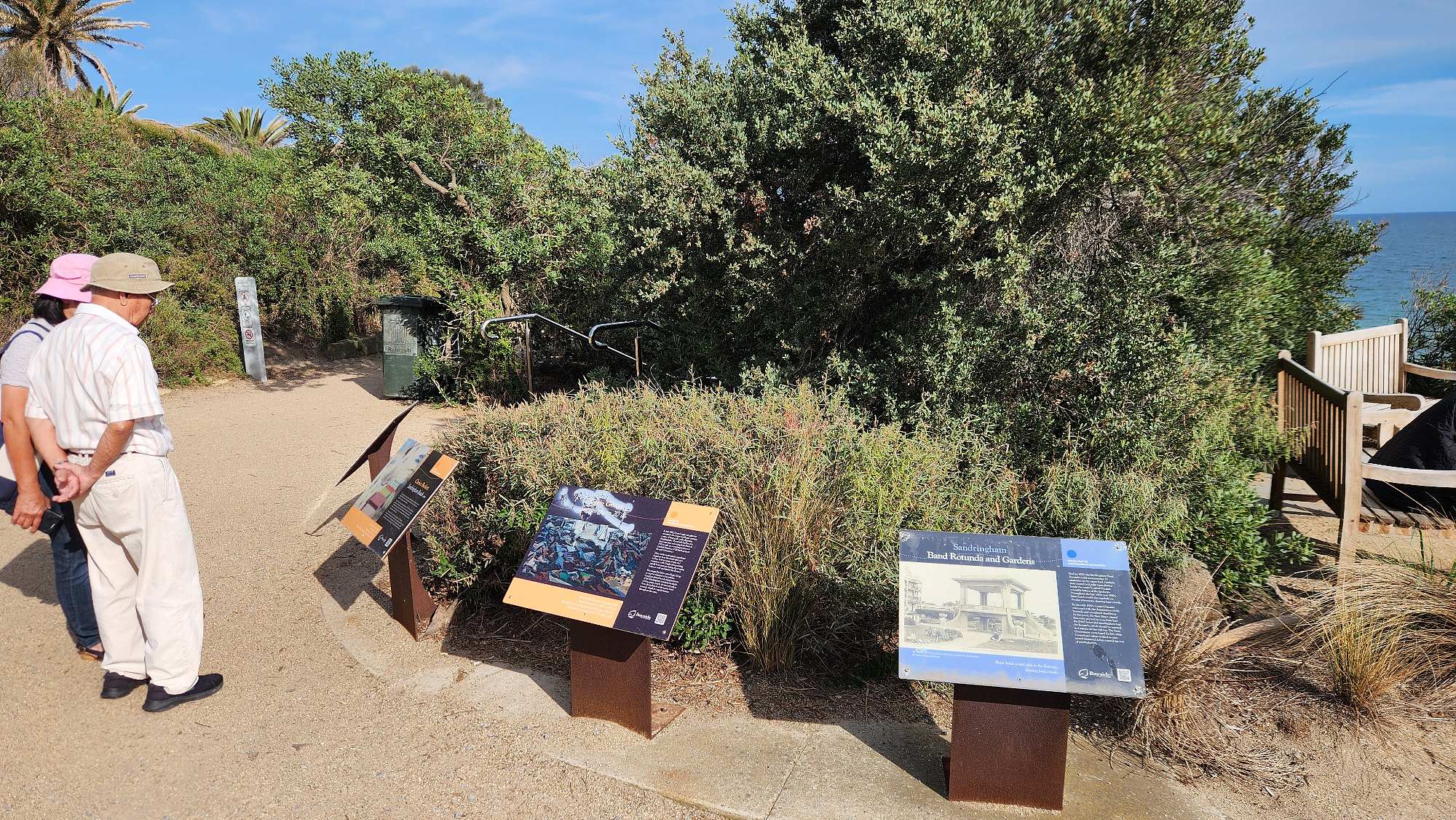
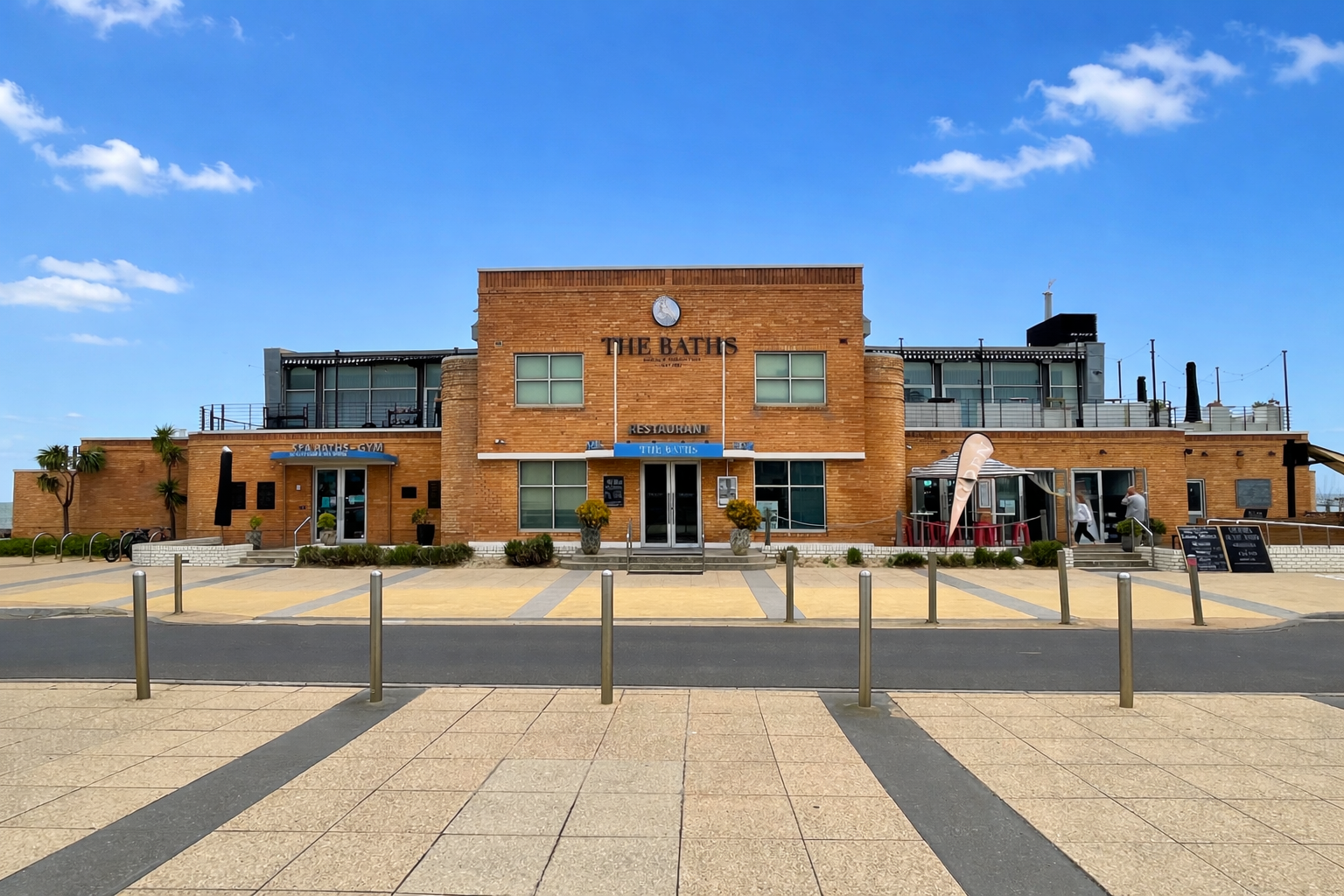
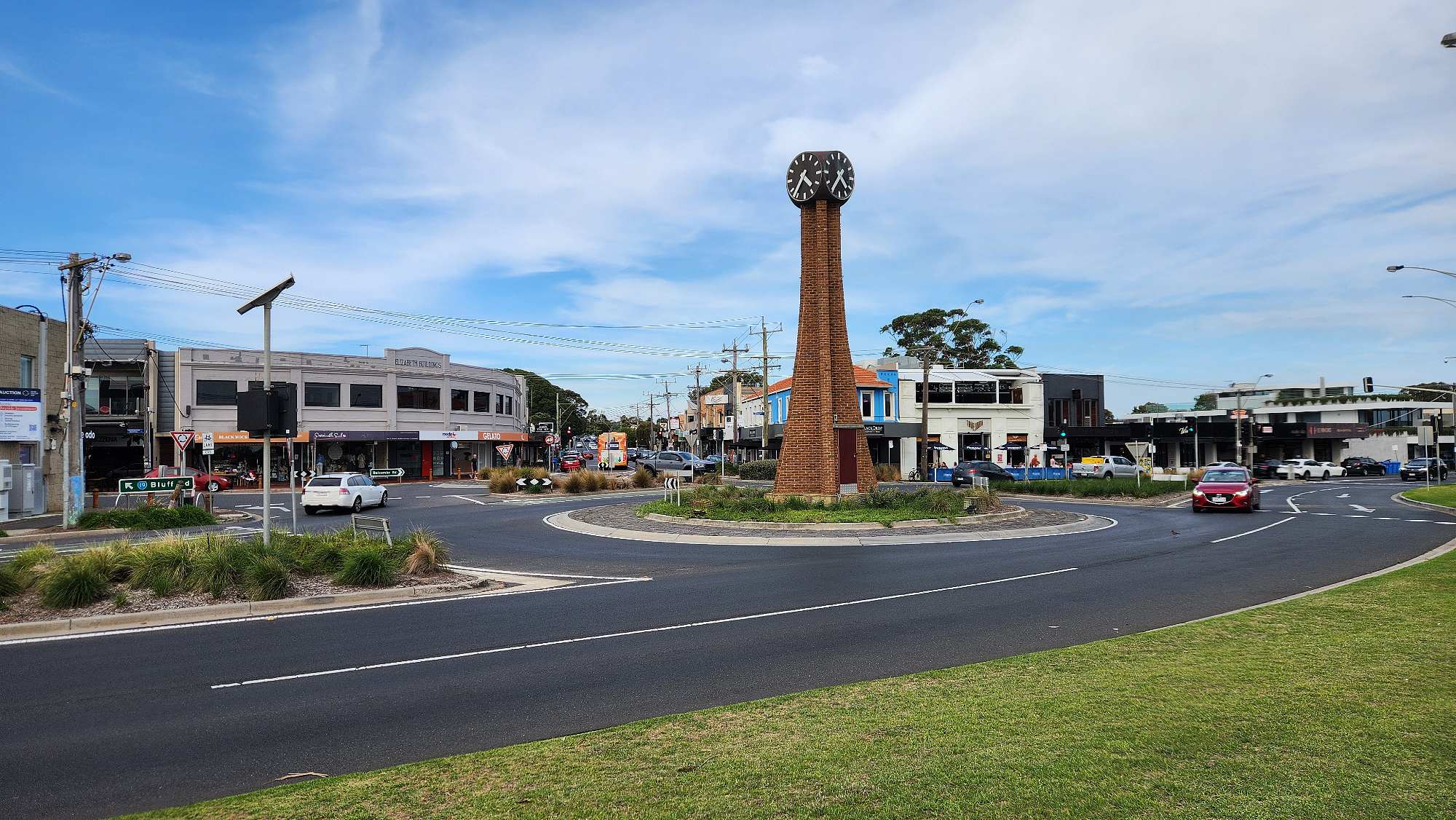
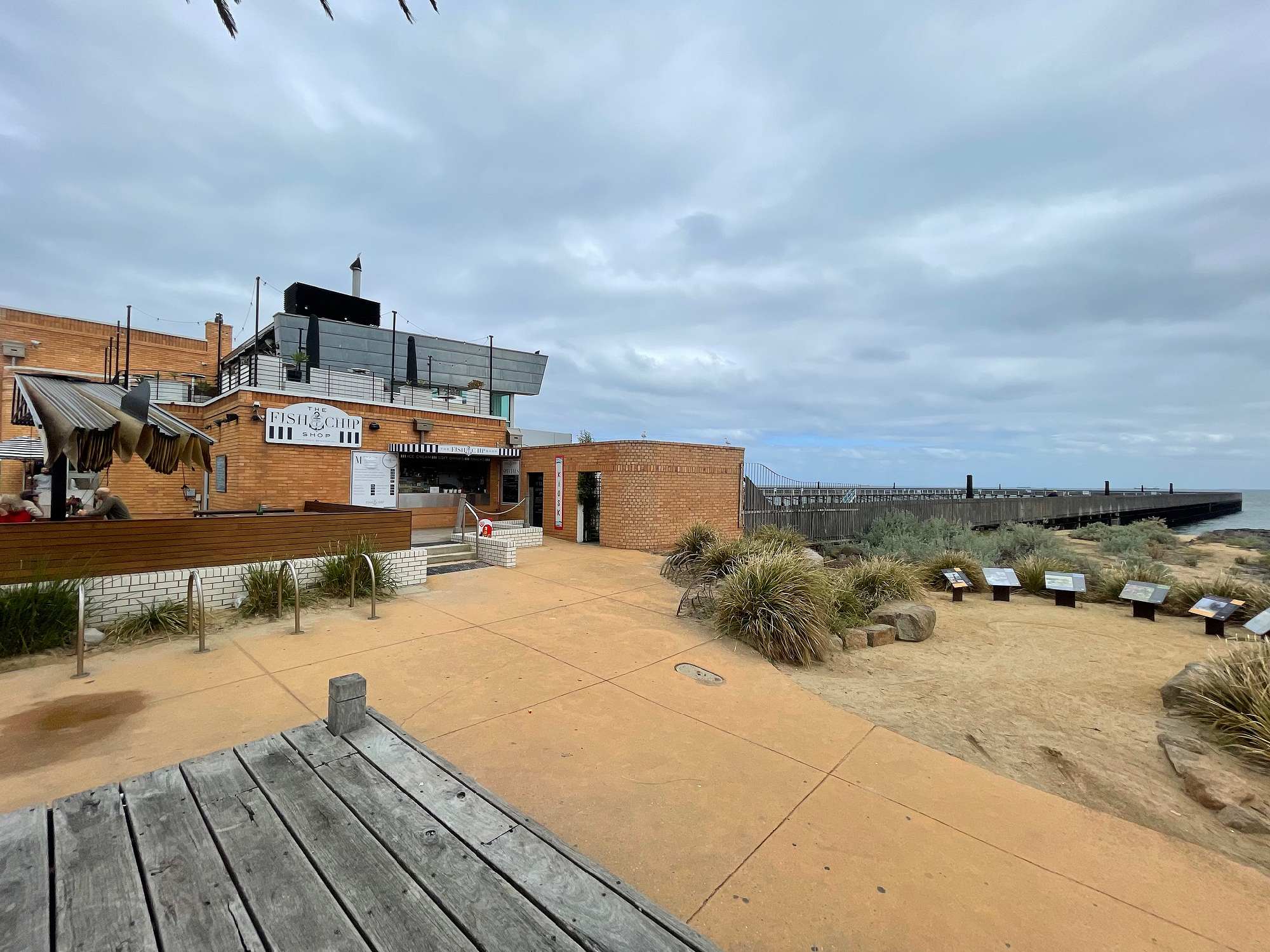
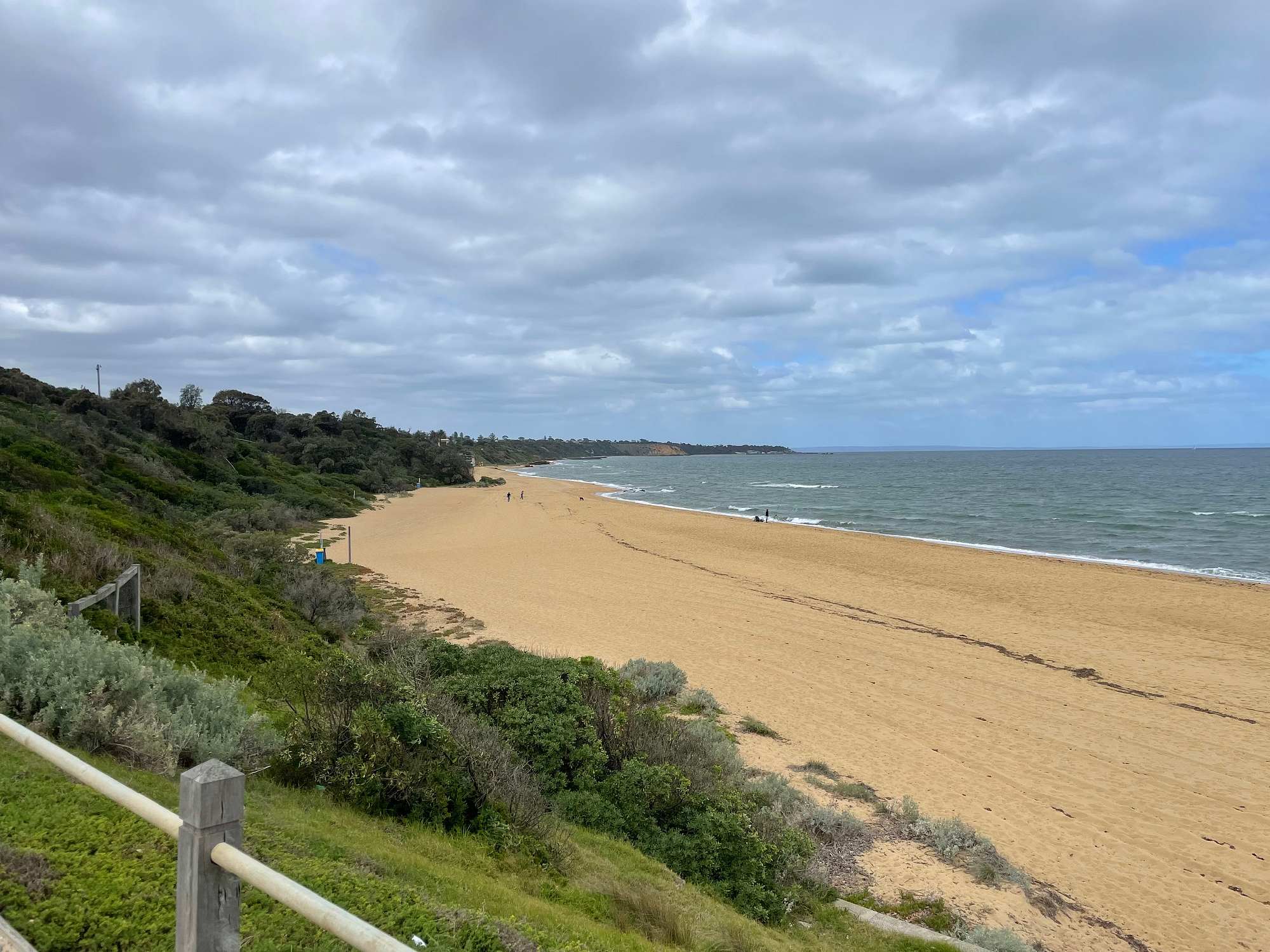
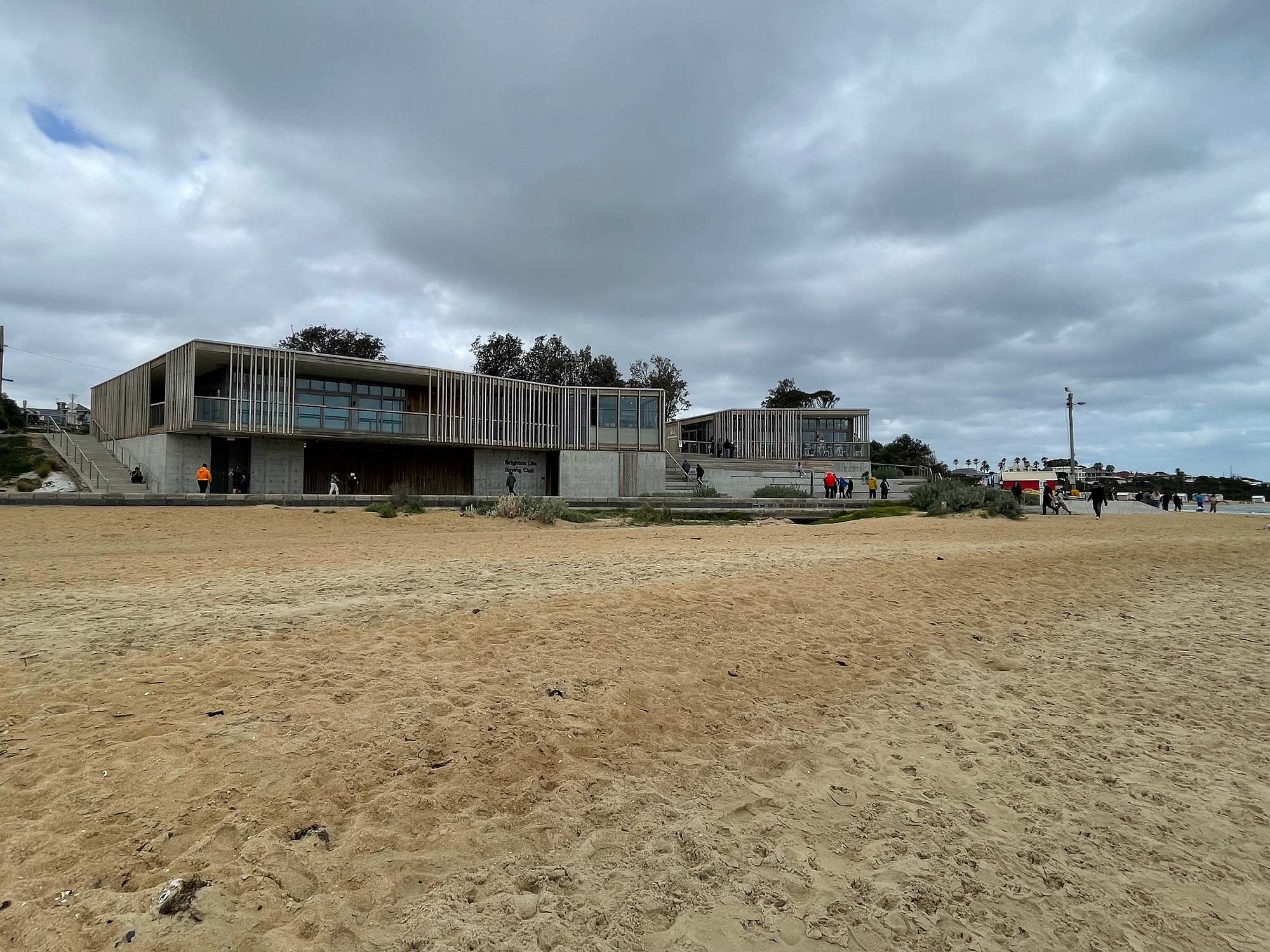
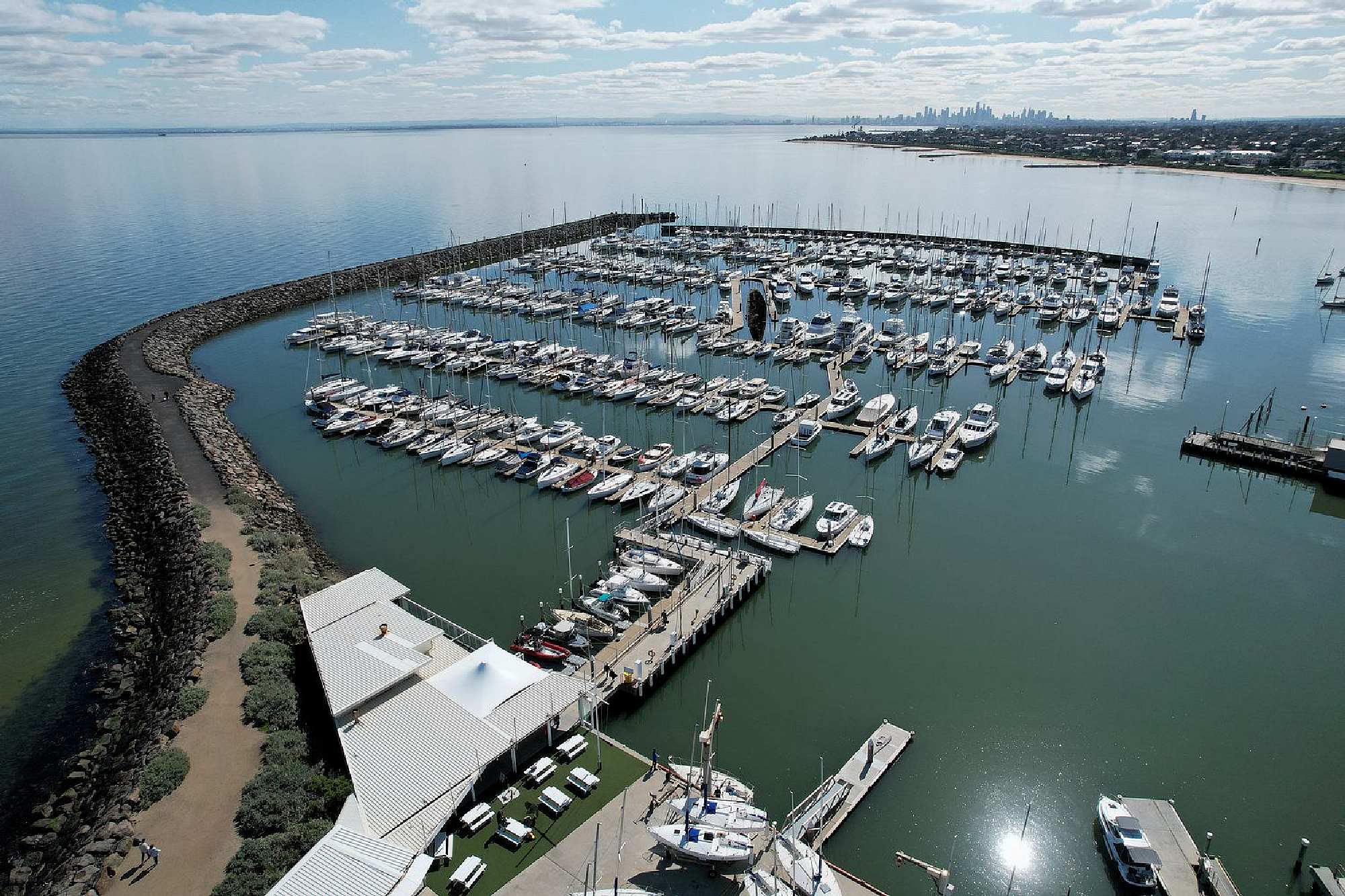
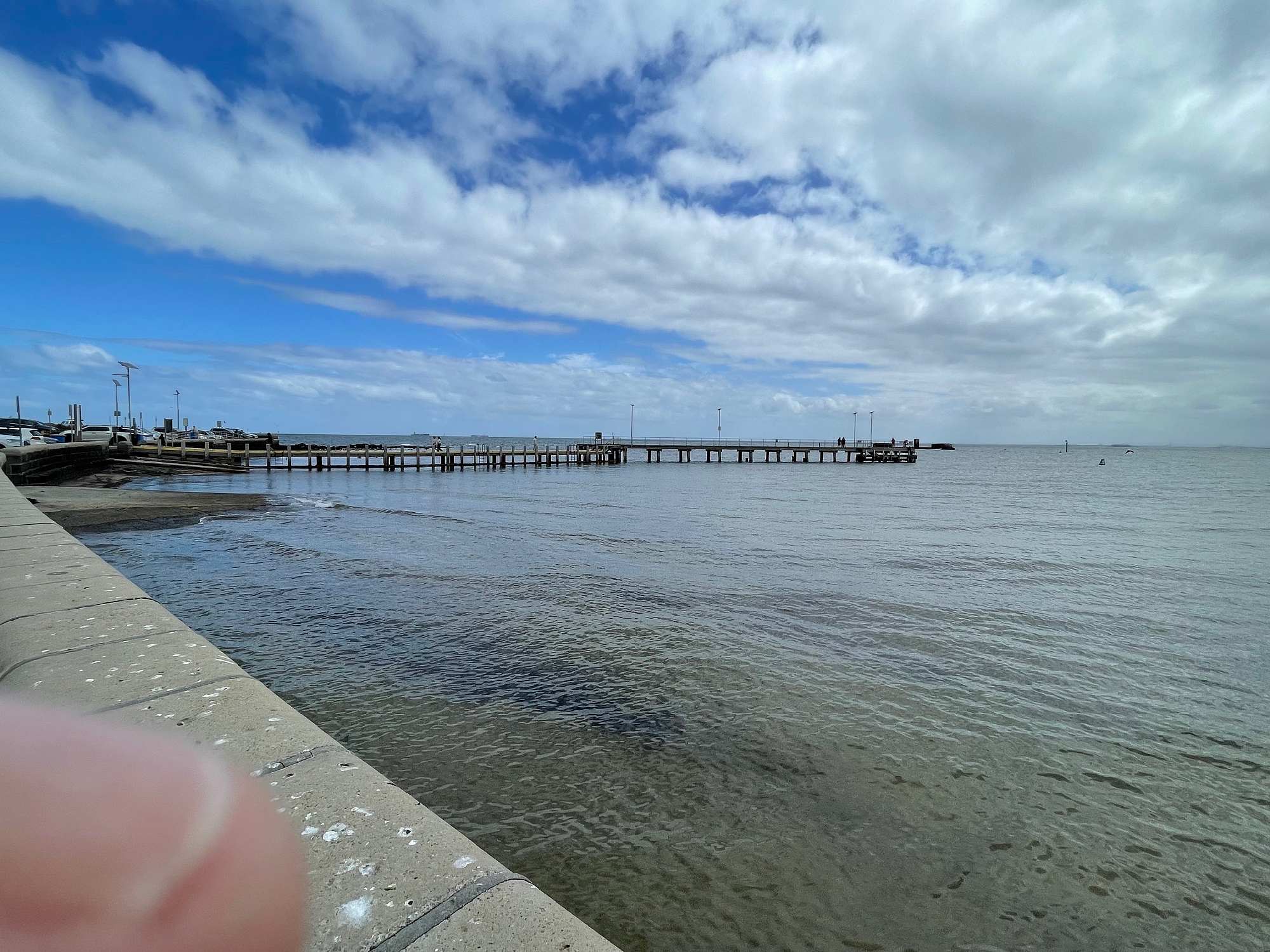
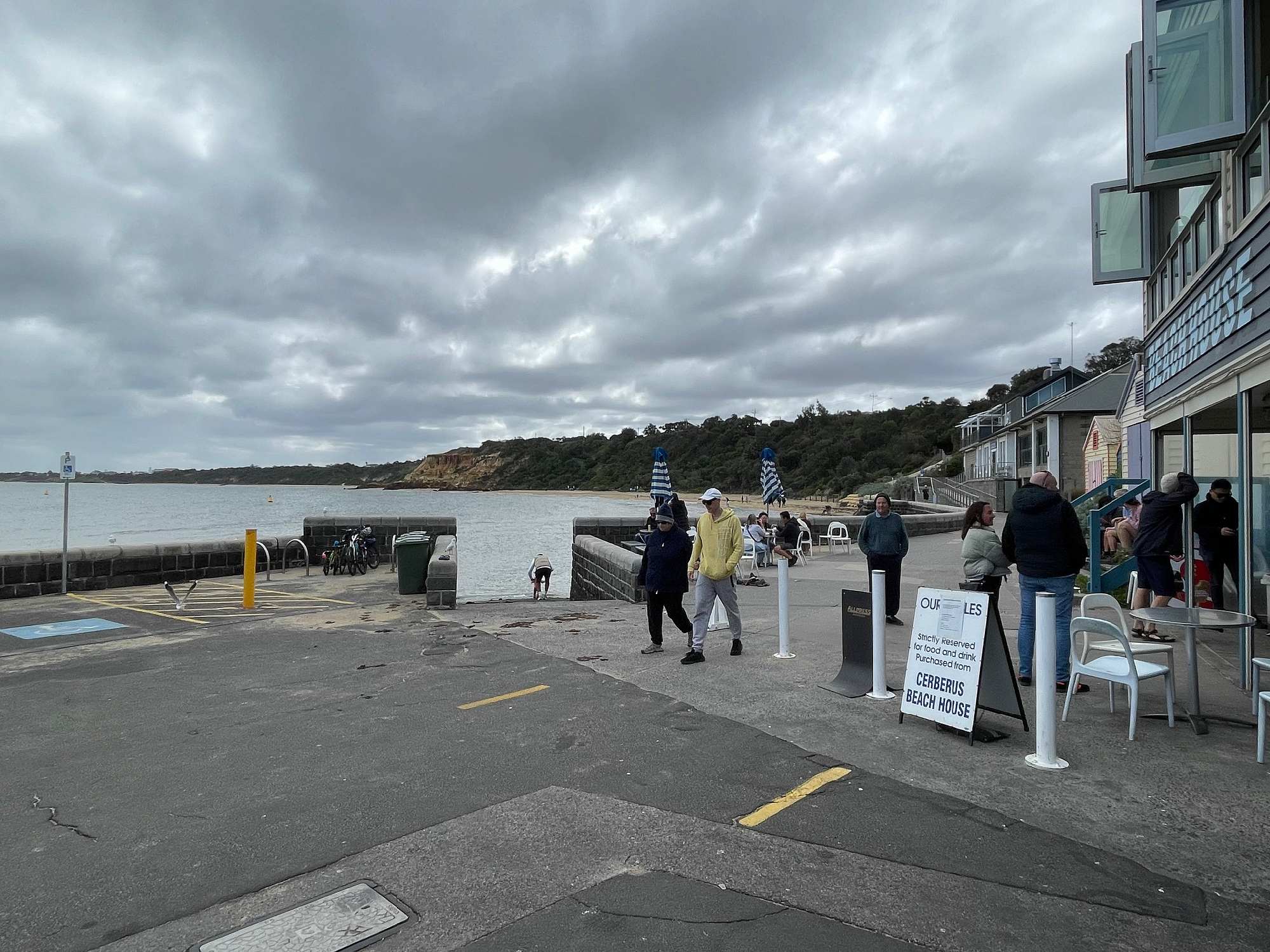
Within walking distance of Sandringham Yacht Club are Sandringham Village and nearby Hampton Street, which both offer a curated mix of cafés, restaurants, boutiques and everyday amenities. Dining options range from casual coastal cafés to refined local favourites, many taking advantage of the bay backdrop and relaxed seaside pace. The village has a laid-back, community feel, with plenty of spots to eat – some right by the water, the best being the Sandringham Yacht Club, which sits right on the bay.
Getting to Sandringham is simple. The suburb is directly connected to Melbourne’s CBD via the Sandringham train line, with frequent services throughout the day, supported by local bus routes. For interstate and international visitors, Melbourne Airport is approximately 45–60 minutes away by car, taxi or rideshare. Public transport access is also straightforward, with SkyBus services linking the airport to Southern Cross Station, where visitors can transfer to city trains connecting to Sandringham.
Together, Sandringham and the wider Bayside municipality offer a rare combination of coastal beauty, sporting excellence and urban accessibility, making it an ideal setting for a world‑class international event.
Melbourne & Victoria
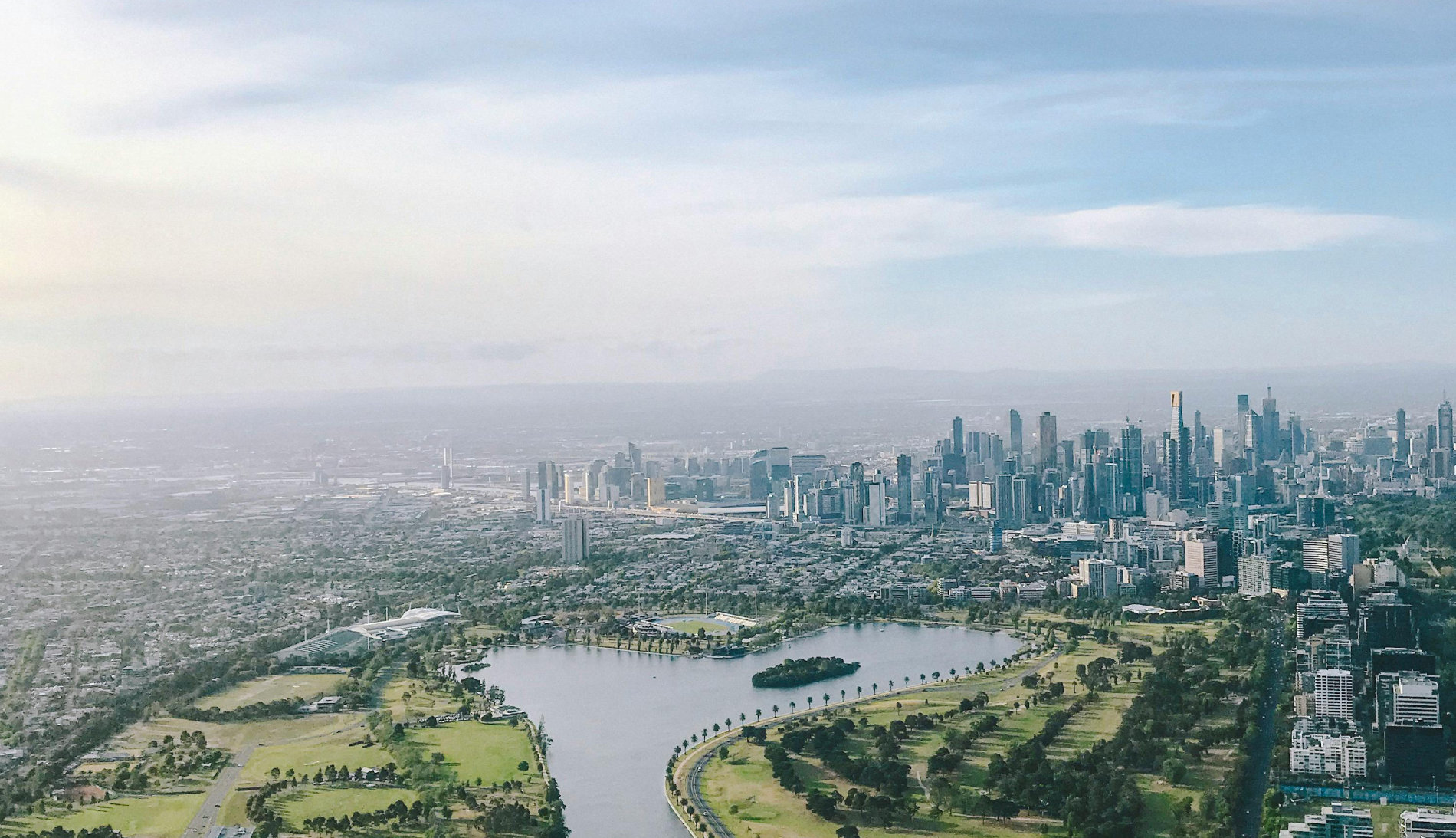
Melbourne is the capital of Victoria and one of Australia’s largest, most lively cities. It’s known for its creative energy, diverse community, and strong reputation as the country’s cultural hub.
The city has a thriving arts scene, with plenty of galleries, theatres, and festivals. Its laneways—especially around inner areas like Fitzroy—are filled with colourful street art, and there are many venues for live performances across the city.
Melbourne is also a major centre for sport, often called Australia’s sporting capital. It hosts big international events and has a deep connection to Australian Rules Football, along with world-class venues.
Food and coffee are a big part of everyday life here. From high-end dining to small hidden eateries, the city offers a wide mix of cuisines. Neighbourhoods like Fitzroy, Carlton, and Brunswick are especially popular for their café culture and unique food spots. Shopping ranges from luxury streets to quirky boutiques and busy local markets.
Getting around is easy thanks to a large public transport network of trains, buses, and trams—the trams in particular are a defining feature of the city.
Melbourne’s weather is famously unpredictable, often described as “four seasons in one day.” You might get sunshine, wind, and rain all within hours, so it’s best to be ready for anything.
Overall, Melbourne is a dynamic, ever-changing city with a strong identity, a love of sport, and a rich mix of culture, food, and creativity.
Victoria, is a diverse state, rich in natural beauty, cultural experiences, and historic charm. Whether you’re interested in outdoor adventures, city life, or exploring scenic coastal regions, there’s something for everyone.
Sandringham Railway Station in the heart of the village
Yarra Valley:
- Wine Tasting: The Yarra Valley is renowned for its vineyards and wineries, offering tastings of world-class Pinot Noir and Chardonnay.
- Healesville Sanctuary: A wildlife sanctuary where you can see Australian animals such as koalas, kangaroos, and platypuses up close.
- Yarra River Cruises: Take a scenic cruise along the river, enjoying views of the vineyards and local wildlife.
Phillip Island:
- Penguin Parade: The world-famous Phillip Island Penguin Parade is an absolute must-do. Watch little penguins emerge from the ocean and waddle to their burrows.
- Koala Conservation Centre: A great place to see koalas in their natural habitat, along with other local wildlife.
- The Nobbies: A scenic coastal area with boardwalks that offer views of Seal Rocks and the surrounding coastline.
The Dandenong Ranges:
- Puffing Billy Railway: A historic steam train that takes you through the lush forests and beautiful hills of the Dandenong Ranges.
- SkyHigh Mount Dandenong: Offering panoramic views over Melbourne and beyond, this is a great spot for a meal or afternoon tea.
- National Rhododendron Gardens: Explore lush gardens full of vibrant rhododendrons and other flowering plants.
Mornington Peninsula:
- Peninsula Hot Springs: Relax in natural geothermal mineral springs with stunning views of the surrounding landscape.
- Arthur’s Seat: A lookout point that offers breathtaking views of Port Phillip Bay and the surrounding area.
- Sorrento and Portsea: These historic seaside towns are perfect for exploring, offering beaches, boutique shopping, and excellent dining.
- Vineyards: The peninsula is now also a wine lovers mecca with over 200 wineries there.
Great Ocean Road:
- 12 Apostles: These stunning limestone formations along the coast are a must-see. The nearby Loch Ard Gorge, is also worth a visit.
- Bells Beach: Known for its world-class surfing conditions and beautiful coastal views.
- Lorne: A charming seaside town with good food, boutique shops, and scenic views. It’s also a gateway to the Great Otway National Park.
- Great Otway National Park: Rainforests, waterfalls, and walking tracks in this diverse park. Don’t miss Erskine Falls and Triplet Falls.
Australian Culture
Australian culture and humour are distinct, shaped by a mix of history, diversity, and a relaxed way of life. It blends Indigenous traditions, British roots, and modern multicultural influences.
With beautiful beaches, a vast outback, and a mild climate, life in Australia naturally leans outdoors. Activities like surfing, sailing, barbecuing, camping, and sport are all part of the everyday lifestyle.
Sport plays a big role, with cricket, AFL, rugby, and tennis among the favourites. Major events like The Ashes, AFL Grand Final, Australian Open, and Melbourne Cup are highlights of the year. The Melbourne Cup cleverly falls on the Tuesday between our two regattas and being a State holiday for a horse race, we have some horse racing entertainment lined up at a local pub for those interested.
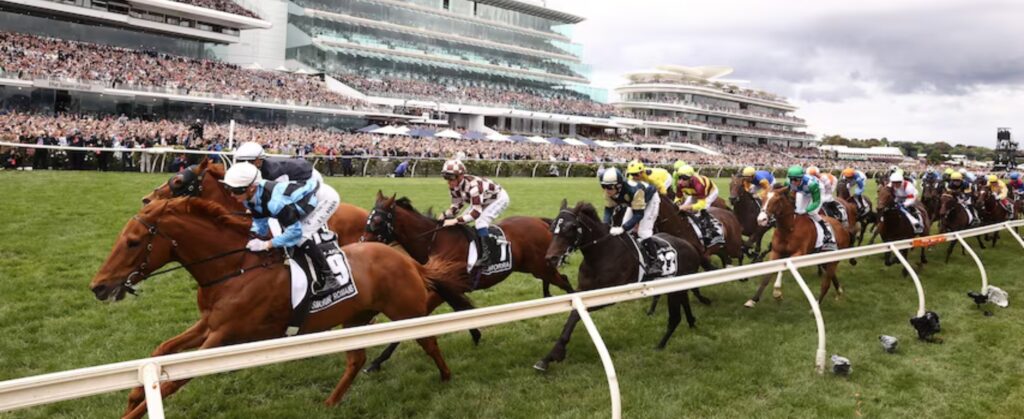
A holiday for a horse race … why not. Have another beer !
Australia is proudly multicultural, built by generations of immigrants. This diversity shows up everywhere—in food, art, music, and daily life. In cities like Melbourne, it’s normal to hear a mix of languages and accents.
There’s also a deep Indigenous heritage, with Aboriginal and Torres Strait Islander peoples connected to the land for over 60,000 years. Their art, stories, and traditions remain an important part of Australia’s cultural identity.
A key part of the culture is the idea of the “mate” – a word used widely to mean friend or simply to address someone in a friendly, equal way. Australians tend to keep things informal and easy going, even with people they’ve just met.
Australians are known for their relaxed attitude. The phrase “She’ll be right” sums it up – meaning things will work out fine. People tend to stay calm, not sweat the small stuff and enjoy the moment.
Australians often use sarcasm, irony, and understatement in everyday conversation. It’s common to exaggerate in a dry, deadpan way for comedic effect. For example, if something goes wrong, an Aussie might say, “Well, that went well,” even if it clearly didn’t. Aussies are often very self-deprecating, and making fun of oneself is considered a virtue. Humility is key, and people rarely take themselves too seriously. This makes for a laid-back, approachable attitude that puts others at ease.
Humour is a big part of daily life. It’s often dry, sarcastic, and self-deprecating. Australians like to joke about themselves as much as anything else, usually in a subtle, deadpan way. A classic example is Paul Hogan in Crocodile Dundee, where the “outback Aussie” is portrayed in a tongue-in-cheek, exaggerated but likeable way.
Overall, Australian culture is friendly, informal, and grounded – where humour, diversity, and a love of the outdoors all come together to shape everyday life.